
How to store and freeze your pick
Come home with more strawberries, cherries or blueberries than you can eat this week? Most pick-your-own fruit is riper than what you'll find in a shop, so it doesn't wait around. Here's how to store it properly, freeze it without a solid clump, and turn the extras into jam.
Why picked fruit doesn't wait
Fruit you've picked yourself starts changing the moment it leaves the plant, and it was usually riper to begin with than supermarket stock, since farms let it colour up properly rather than picking it green for transport. A punnet of strawberries or a bag of cherries from a u-pick farm can go from firm to soft within two or three days in the fridge, faster still if it sat in a warm car on the drive home. A little sorting when you get in the door, plus the right storage method, buys you a week or two; freezing buys you months.
Start by tipping your haul out of the punnet or bucket and checking it over. Pull out anything bruised, split or starting to weep juice; that fruit won't keep and is best eaten first or used in a smoothie today. Don't wash berries until just before you eat or freeze them, since sitting wet in the fridge is what speeds mould. Store berries loosely in a single layer if you can, lined with paper towel to soak up moisture, rather than piled deep in the punnet they came in.
Storage and freezing at a glance
| Fruit | Fridge life | Best way to freeze | Frozen life |
|---|---|---|---|
| Strawberries | 2-3 days, unwashed | Hull, halve if large, tray-freeze | Up to 12 months |
| Raspberries & blackberries | 1-2 days | Tray-freeze whole, don't wash first | Up to 12 months |
| Blueberries | 1-2 weeks | Tray-freeze whole | Up to 12 months |
| Cherries | 4-7 days | Pit first, then tray-freeze | 8-12 months |
| Peaches, nectarines & plums | 3-5 days (ripen at room temp first) | Slice, toss in lemon juice, tray-freeze | 8-10 months |
| Apples & pears | 2-4 weeks in a cool spot | Slice and blanch briefly, or stew into puree first | 8-12 months |
| Citrus | 2-3 weeks in a cool spot | Zest and juice separately; whole fruit doesn't freeze well | 4-6 months (juice/zest) |
Treat these as a starting point rather than a promise. How your fruit was grown, how ripe it was on picking day and how quickly you got it into the fridge all shift the numbers around, so use your eyes and nose alongside the table.
Freezing soft berries without a solid brick
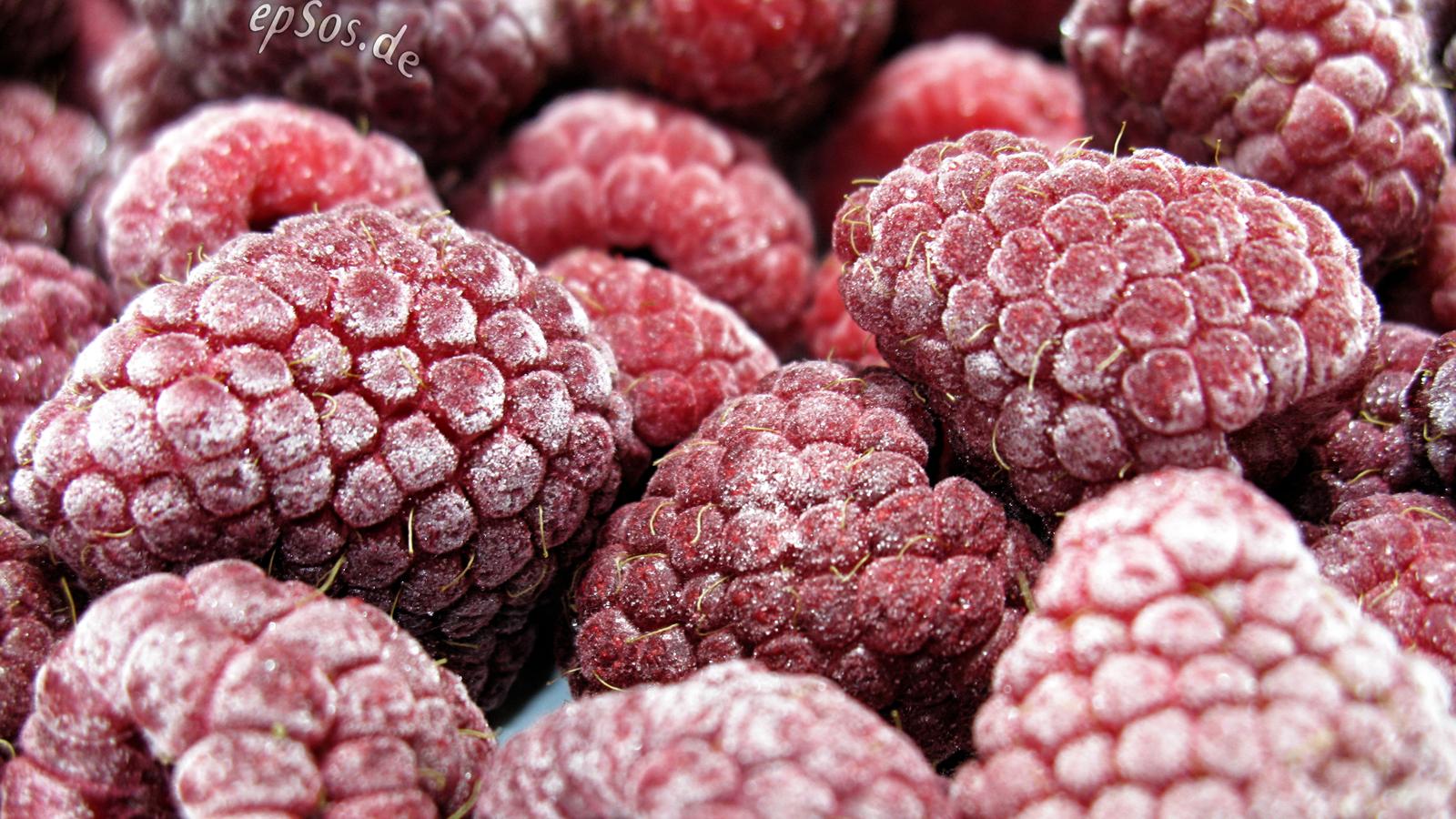
The trick with strawberries, raspberries, blackberries and blueberries is to freeze them loose before bagging, otherwise you end up with one solid clump you have to hack apart with a knife. Spread the fruit in a single layer on a tray lined with baking paper, leaving a little gap between each piece, and freeze for two to three hours until firm. Once solid, tip the fruit into a freezer bag or container, push out as much air as you can, and label it with the date. Hull strawberries first and halve any large ones; raspberries, blackberries and blueberries can go in whole. If you've picked blueberries at somewhere like The Giving Farm in Jilliby, NSW, they're firm enough to freeze straight off the bush with almost no prep.
Stone fruit: peaches, nectarines and plums
Stone fruit needs a bit more handling. Let it finish ripening at room temperature for a day or two if it's still firm, then peel (a quick dip in boiling water for 30 seconds loosens peach skins), slice, and toss the pieces in a little lemon juice before tray-freezing to stop them browning. Cherries just need pitting first; a cherry pitter is worth the few dollars if you're bringing home a few kilos from an orchard like those around Nashdale Orchards near Orange, since pitted cherries thaw straight into baking or a crumble. Whole cherries with the stone still in will keep for a shorter, less reliable stretch and are fiddly to pit once frozen.
Apples, pears and citrus
Apples and pears keep well in the fridge for a few weeks without much fuss, so freezing is really only worth it if you've picked more than you'll get through in that time. Slice, blanch for a minute in boiling water to stop browning and slow enzyme activity, then tray-freeze, or skip the fuss altogether and stew the fruit into a puree or crumble mix that freezes flat in bags. If you've come back from apple picking with a full bag from an orchard in the Adelaide Hills or the Huon Valley, a batch of stewed apple in the freezer is an easy win for school-morning porridge. Citrus is the exception on this list: whole oranges, mandarins and lemons go mealy in the freezer, so juice and zest them instead and freeze those separately in ice-cube trays or small bags.
Jam and preserve basics
Jam is the obvious next step for soft fruit that's a day or two past its best for eating fresh, and it doesn't need much beyond fruit, sugar and time. The rough starting ratio most home jam recipes use is equal parts prepared fruit and white sugar by weight, cooked down with a squeeze of lemon juice until it holds together on a chilled saucer (a small blob that wrinkles when you push it is ready). Low-pectin fruit like strawberries and cherries sets softer and benefits from jam-setting sugar (sugar with added pectin) or a splash of extra lemon juice; high-pectin fruit like plums and some apples sets firmer on its own. Beerenberg Farm in Hahndorf, in the Adelaide Hills, is one of Australia's better-known jam makers and sells strawberries from its own patch at $13.50/kg (entry $5/person, as at last check) — a useful reminder that jam-quality fruit doesn't need to be perfect-looking, just ripe and clean. For sealed jars meant to sit in the pantry rather than the fridge, sterilise jars properly and process them in a water bath; if that's unfamiliar territory, it's simpler and safer to just freeze the jam in a snap-lock container instead of canning it.
Berry farms that sell their own jam are a good source of ideas if you want inspiration before you start. Longford Berries in Longford, Tasmania, picks a wide spread of berries through the warmer months and sells jams and chutney alongside the fresh fruit, while Kookaberry Strawberry Farm in Wandin North, Victoria, turns its own raspberries and blackberries into jams, syrups and vinegar. At Westerway Raspberry Farm in Tasmania’s Derwent Valley you can buy jam made from the same patch you’ll be picking in, which is worth tasting for a sense of what your own batch is aiming for.
A quick freezer checklist
- Sort and remove bruised or split fruit before storing anything
- Don't wash berries until you're ready to eat or freeze them
- Tray-freeze soft fruit in a single layer before bagging, so pieces stay loose
- Label every bag or container with the fruit and the date
- Use a flat, thin layer for bags where you can, so they thaw faster and stack better
- Keep frozen fruit away from the freezer door where temperature swings most
- Use pitted cherries and peeled, lemon-tossed stone fruit within 8-10 months for best flavour
What's worth picking extra of during a glut
Timing matters if you're picking with freezing or jam in mind, since a glut is exactly when farms tend to drop prices or let you fill a bigger container for less. Through the winter months, strawberry picking around Brisbane, the Scenic Rim and Bundaberg is in full swing, since South East Queensland grows strawberries as a winter crop typically from about May or June through to October, the reverse of the southern states, which won't see their own strawberries again until spring. Our fruit picking season calendar lays out what's ripe where across the year, and our what to bring fruit picking guide has more on packing an esky so your haul survives the drive home in good shape.
Seasons shift with the weather. Always call the farm to confirm what's ripe and that they're open before you drive out.
Keep apples and pears away from the rest of the fruit bowl
Apples and pears give off ethylene gas as they ripen, and that gas speeds up ripening — and spoiling — in whatever fruit is sitting near them. A big bag of apples tipped into the same fridge drawer as your strawberries or stone fruit will shorten the life of the softer fruit, sometimes by days. If you're aiming for the full two-to-four-week fridge life apples and pears are capable of, keep them in their own paper bag or a separate crisper drawer rather than sharing a bowl or shelf with anything else. It matters less if you're planning to eat, stew or freeze the apples within a day or two anyway, since there's no time for the gas to do much damage.
Preserving beyond jam
Jam is the obvious move for a glut, but it isn't the only one. Dehydrating turns thin slices of apple, pear, stone fruit or even citrus into a snack that keeps for months in an airtight jar without ever touching the freezer — a low oven or a cheap dehydrator both work. Fruit that's gone a bit too soft to eat fresh but isn't actually spoiled is good cordial material: simmer it with sugar and water, strain out the solids, and you've got a syrup that keeps in the fridge for weeks or freezes flat in a bag for much longer. Firmer fruit like plums makes a solid chutney base cooked down with vinegar, sugar and spices — slower than jam, but it keeps longer in the pantry once properly sealed, and it's a good home for fruit that looks too bruised for a jam jar but still tastes fine. None of these methods need equipment beyond a pot, a strainer and some jars.
When to pick for freezing, season by season
| Season | What's peaking for freezing | Check what's in season |
|---|---|---|
| Spring (Sep-Nov) | Early cherries, the first stone fruit | October |
| Summer (Dec-Feb) | Peak berries and stone fruit, early apples | January |
| Autumn (Mar-May) | Apples, pears, the last stone fruit | April |
| Winter (Jun-Aug) | Citrus, plus South East Queensland's winter strawberries | July |
A glut is the best time to freeze, since farms typically drop prices or loosen container limits once a crop is coming on faster than they can sell it fresh. Check our fruit picking season calendar for the fuller month-by-month picture.
Keep reading
- Apple picking guide — when to go and how to spot fruit that's actually ready to pick.
- Cherry picking guide — cherry season is short, so here's how to make the most of it.
- Citrus picking guide — Australia's winter fruit, and how to tell a ripe one from a sour one.